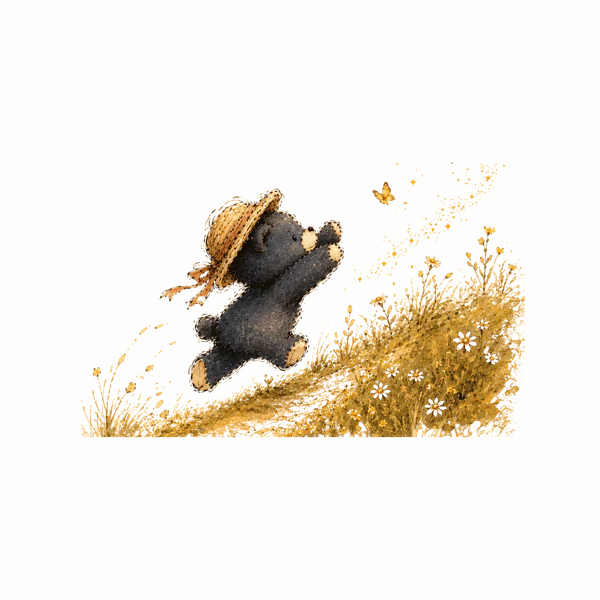
조카에게 영어 그림책을 소리 내어 읽어준 첫 번째 순간이 기억납니다. 조카는 네 살이었어요. 책에는 페이지마다 열두 단어 정도만 있었습니다 — 곰이 들판을 걷는 이야기를 담은 부드럽고 아름다운 단어들이었죠. 그리고 저는, 20년 동안 영어를 공부한 어른으로서, 매 문장 앞에서 망설이고 있었습니다.
I remember the first time I tried to read an English picture book aloud to my nephew. He was four. The book had about twelve words on each page — soft, lovely words about a bear walking through a meadow. And I, a grown woman who had studied English for two decades, found myself hesitating before every sentence.
이해를 못해서가 아니었어요. 저는 그 단어들을 완벽히 이해했습니다. 망설인 이유는 훨씬 더 비합리적인 두려움 때문이었습니다: 이상하게 들릴까봐. 너무 영국적인 이야기에서 외국인처럼 들릴까봐.
Not because I didn't understand the words. I understood them perfectly. I hesitated because I was afraid of something far more irrational: sounding wrong. Sounding foreign in a story that felt so English.
몇 페이지를 넘기고 나서야 깨달았습니다: 조카는 제 발음을 듣는 게 아니었어요. 저를 듣고 있었어요. 제 얼굴을 바라보고 있었고. 극적인 효과를 위해 목소리를 낮출 때마다 더 가까이 다가왔습니다.
It took me a few pages to realise: my nephew wasn't listening to my accent. He was listening to me. He was watching my face. He was leaning closer every time my voice went quiet for dramatic effect.
그날 저녁은 제가 제2언어로 소리 내어 읽는 것에 대해 생각하는 방식을 바꿔놓았습니다. 그 이후로 배운 것들을 나누고 싶습니다.
That evening changed how I think about reading aloud in a second language. And I want to share what I've learned since.
부모를 망설이게 하는 두려움
The Fear That Holds Parents Back
한국 부모님들께 집에서 영어 책을 읽는 것에 대해 이야기할 때, 우리는 같은 걱정을 반복해서 듣습니다: "제 영어 실력이 충분하지 않아요." 때로는 사과처럼 들리기도 하고, 때로는 시도하지 않을 이유가 되기도 합니다. 하지만 걱정 자체는 보편적입니다 — 문화, 언어, 소득 수준, 교육 수준을 초월합니다.
When we talk to Korean parents about reading English books at home, we hear the same worry again and again: "My English isn't good enough." Sometimes it's framed as an apology. Sometimes as a reason not to try. But the worry itself is universal — it crosses cultures, languages, income levels, and education.
프랑스 부모들도 아이에게 영어로 읽어줄 때 이런 느낌을 받습니다. 일본 부모들도, 스페인 부모들도 마찬가지입니다. 모국어가 아닌 언어로 발을 들여놓을 때마다, 우리는 놀라울 정도로 노출되는 방식으로 취약해집니다.
French parents feel it reading to children in English. Japanese parents feel it. Spanish parents feel it. Anytime we step into a language that isn't our mother tongue, we become vulnerable in a way that feels surprisingly exposing.
그 취약함은 진짜입니다. 하지만 대부분의 부모들이 그로부터 내리는 결론 — "시도하지 말아야지" — 은 완전히 틀렸습니다.
The vulnerability is real. But the conclusion most parents draw from it — "I shouldn't try" — is exactly wrong.
아이가 소리 내어 읽기를 들을 때 실제로 듣는 것
What children actually hear when you read aloud
신경과학은 몇 년 전부터 이것을 분명히 밝혀왔습니다. 아이가 보호자의 소리 내어 읽기를 들을 때, 그들은 주로 음소를 처리하지 않습니다. 관계를 처리합니다. 운율 — 목소리의 오르내림, 멈춤, 경이로움이나 웃음의 순간들 — 이 의미론적 의미가 전달되기 전에 이야기의 감정적 의미를 전달합니다.
Neuroscience has been quite clear on this for years, even if it hasn't quite made it into the parenting conversation. When a child hears a caregiver read aloud, they are not primarily processing the phonemes. They are processing the relationship. The prosody — the rise and fall of your voice, the pauses, the moments of wonder or laughter — carries the emotional meaning of the story before the semantic meaning even lands.
즉, 아이는 발음이 아닌 당신을 듣고 있습니다. 사랑은 언어를 통해 전달되지, 언어에도 불구하고 전달되는 것이 아닙니다.
In other words: your child is hearing you, not your pronunciation. Your love comes through the language, not despite it.
아이들은 우리가 원어민처럼 들리기를 원하지 않습니다. 그들은 우리가 신경 쓰는 사람처럼 들리기를 원합니다.
Children don't need us to sound like a native speaker. They need us to sound like someone who cares.
— M. Foster
실제로 도움이 되는 다섯 가지
Five Things That Actually Help
수년간 The bear & Joy를 개발하면서, 우리는 한국, 일본, 영국 등지의 수백 가족과 이야기를 나눴습니다. 모국어가 아닌 언어로 소리 내어 읽을 때 실질적으로 차이를 만드는 것들이 있습니다:
Over the years of developing The bear & Joy, we've spoken with hundreds of families across Korea, Japan, the UK, and beyond. Here is what genuinely makes a difference when reading aloud in a language that isn't your own:
이중언어 소리 내어 읽기 실용 가이드
Practical Guide for Bilingual Read-Aloud
- 천천히 읽으세요, 그리고 그것을 의미 있게 만드세요. 느린 읽기는 약한 영어의 표시가 아닙니다. 사려 깊은 독자의 표시입니다. 아동 이야기는 음미하도록 쓰여 있습니다. 어구 앞에서의 멈춤은 아이가 이미지를 형성할 시간을 줍니다.
- 그림이 이야기의 절반을 이끌게 하세요. 모든 줄을 번역할 필요는 없습니다. 가리키세요. 함께 신기해하세요. 영어 문장 사이에 한국어로 질문하세요. 모두 중요합니다.
- 자신을 수정하지 마세요. 단어를 잘못 발음해도 계속 읽으세요. 아이는 차이를 모르고, 멈추는 것이 어떤 잘못된 발음보다 이야기의 마법을 더 많이 깨뜨립니다.
- 두 번 읽으세요. 두 번째 읽기는 항상 첫 번째보다 낫습니다. 두 번째에는 어디서 느려야 할지, 어디서 목소리를 낮춰야 할지 알게 됩니다. 그리고 아이는 예상하기 시작할 것입니다. 예상 속에 기쁨이 있습니다.
- 리듬이 있는 책을 고르세요. 자연스러운 리듬이 있는 책은 제2언어로 소리 내어 읽기가 훨씬 쉽습니다. 완전히 이해하기 전에도 입에서 잘 느껴지는 줄을 찾으세요.
- Read slowly, and mean it. Slow reading is not a sign of weak English. It's the sign of a thoughtful reader. Children's stories are written to be savoured. A pause before a turn of phrase gives your child time to form an image. Use it.
- Let the pictures carry half the story. You don't have to translate every line. Point. Wonder aloud. Ask questions in Korean between English sentences. It all counts.
- Don't correct yourself. If you mispronounce a word, continue. Your child does not know the difference, and stopping to apologise breaks the spell of the story more than any mispronunciation ever could.
- Read it twice. The second reading is always better than the first — for you and for your child. By the second time through, you know where to slow down, where to drop your voice to a whisper. And your child will begin to anticipate. Anticipation is where joy lives.
- Choose books with rhythm. Books that have a natural cadence are far easier to read aloud in a second language. The rhythm carries you. Look for lines that feel good in your mouth even before you fully understand them.
불완전함의 선물
The Gift of Imperfection
당신의 아이에게 유창한 원어민은 절대 줄 수 없지만 당신은 줄 수 있는 것이 있습니다: 그들이 사랑하는 사람이 쉽지 않은 언어에서 노력하는 것을 보는 경험. 이것은 놀라운 선물입니다.
There is something that a fluent native speaker can never give your child that you can: the experience of seeing someone they love trying in a language that doesn't come easily to them. That is an extraordinary gift.
아이들이 부모가 배우는 것을 볼 때 — 진짜 배우는 것, 때로는 실수하고, 계속하는 것 — 그들은 어떤 교과서도 가르칠 수 없는 것을 이해합니다: 새 언어의 불편함은 이겨낼 수 있다는 것. 이겨낼 수 있는 것 이상입니다. 그것은 무언가의 시작입니다.
When children see their parents learning — really learning, stumbling sometimes, carrying on — they understand something that no textbook can teach them: that the discomfort of a new language is survivable. More than survivable. It is the beginning of something.
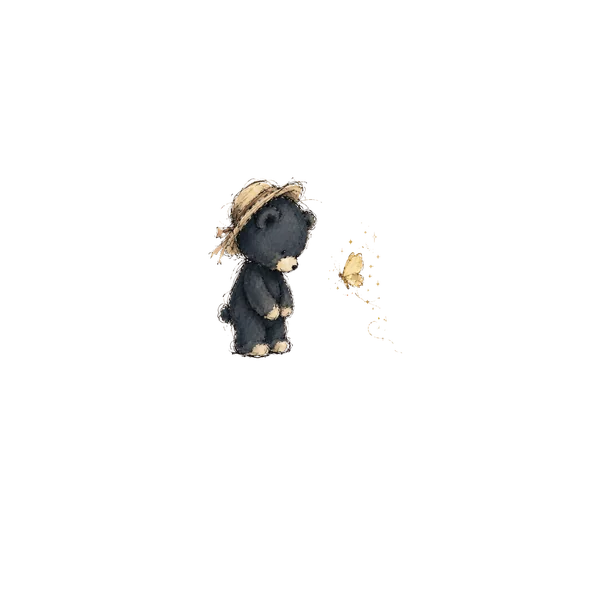
조카는 이제 여덟 살입니다. 영어 챕터북을 혼자 읽습니다. 그날 저녁 읽은 특정 이야기를 기억하지 못하지만, 어떤 말 없는 방식으로 그것을 간직하고 있다고 믿습니다: 그의 이모가, 긴장하면서도 진지하게, 한 번에 그의 것이기도 하고 아니기도 한 언어로 페이지를 넘기던 것. 들판의 곰. 이름이 필요했던 별들.
My nephew is now eight. He reads English chapter books on his own. He doesn't remember the specific story we read that evening, but I believe in some wordless way he carries the memory of it: his aunt, nervous and earnest, turning pages in a language that was hers and not hers at once. A bear in a meadow. Stars that needed names.
그렇게 이중언어 아이들이 만들어집니다 — 학원이나 앱이 아니라, 서로를 사랑하는 사람들 사이의 조용한 공간에서, 한 번에 한 페이지씩.
That is how bilingual children are made — not in academies, not by apps, but in the quiet spaces between people who love each other, one page at a time.
올바른 책 고르기에 대한 메모
A Note on Choosing the Right Book
모든 영어 그림책이 제2언어로 소리 내어 읽기에 동등한 것은 아닙니다. 일부는 복잡한 구문이나 유창함이 있어야 이해되는 문화적 참조가 있습니다. 다른 것들은 다르게 만들어졌습니다 — 언어가 단순하고, 리듬이 관대하며, 의미가 삽화만큼 단어에도 담겨 있습니다.
Not all English picture books are created equal when it comes to reading aloud in a second language. Some have complex syntax, idiomatic language, or cultural references that require fluency to make sense of. Others are built differently — their language is simple, their rhythm is generous, and their meaning lives as much in the illustration as the word.
이것이 우리가 The bear & Joy를 쓸 때 염두에 두었던 책들입니다. 모든 문장은 영어를 꽉 쥐는 것이 아니라 부드럽게 들고 있는 사람이 소리 내어 읽도록 초안이 잡혔습니다. 리듬은 용서가 됩니다. 어휘는 의도적입니다. 그림이 무게를 집니다.
These are the books we had in mind when we wrote The bear & Joy. Every sentence was drafted to be read aloud by someone who might be holding the English gently, not gripping it. The cadence is forgiving. The vocabulary is intentional. The pictures carry weight.
우리는 한국 부모들이 소리 내어 읽을 때, 그 책이 그들을 위해서도 쓰여졌다고 느끼기를 원했습니다. 아이만을 위한 것이 아니라. 읽어주는 목소리를 위해서도.
We wanted Korean parents — and parents everywhere who are reaching across a language — to feel, when they read aloud, that the book was written for them too. Not just for the child. For the voice reading it.
Joy Kim은 서울에서 쓰고 다듬어진 The bear & Joy 시리즈의 공동 저자입니다. 그녀는 언어, 어린 시절, 그리고 그들이 만나는 공간에 대해 씁니다.
Joy Kim is co-author of The bear & Joy series, written and crafted in Seoul. She writes about language, childhood, and the spaces where they meet.
사전 예약Pre-Order Now
처음 100가족의 한 자리가
되어보세요.
Become one of the
first 100 families.
완전판 컬렉션 1,997,000 KRW · Book 1 단독 47,000 KRW
카카오톡 또는 이메일로 예약하세요.
Complete Collection 1,997,000 KRW · Book 1 only 47,000 KRW
Reserve on KakaoTalk or email.
* 책은 완성되는 순서에 따라 매달 2권씩 발송됩니다. * Books delivered 2 per month as they are written.